

Новини галузі
 Домашній / Новини / Новини галузі / Суцільні килими: як вибрати правильний для вашого простору та бюджету
  2026.07.14
 Новини галузі
Однотонний килим може здатися найпростішим продуктом у будь-якому асортименті килимів, але він незмінно перевершує багато варіантів з малюнком як на роздрібних, так і на оптових ринках. Причина проста: простий килим підходить практично до будь-якого стилю інтер’єру, кольору меблів чи декору, не вимагаючи від покупця складних дизайнерських рішень. Незалежно від того, чи кімната має яскраві акцентні стіни, візерункову оббивку чи нейтральну палітру, однотонний килимок закріплює простір, не конкуруючи візуально з чимось іншим у ньому.
Для покупців, які шукають килими для перепродажу, внутрішнього оздоблення або гостинних проектів, суцільні килими також мають практичну перевагу в асортименті — для покриття широкої клієнтської бази потрібна менша кількість артикулів, оскільки одна колірна гамма в кількох розмірах служить для більшої кількості випадків використання, ніж дизайн із конкретним візерунком. Розуміння того, що відрізняє якісний суцільний килим від звичайного продукту, допомагає покупцям приймати рішення щодо джерела, які витримають реальне використання, а не лише фотографію продукту.
Волокно, яке використовується в однотонному килимі, визначає не тільки його відчуття під ногами, але й те, як він зношується з часом, як реагує на чищення та наскільки добре він зберігає колір без візуального камуфляжу, який забезпечують візерунки. На простому килимі миттєво видно візерунки зношування, вицвітання та деградацію волокон, що робить вибір матеріалу більш значущим, ніж для більш насичених конструкцій.
Килими з масивної вовни широко вважаються еталоном якості в цій категорії. Шерсть природно протистоїть забрудненню, добре зберігає форму ворсу під час руху людей і має властивий блиск, завдяки якому однотонні кольори виглядають насиченими та об’ємними, а не плоскими. Вовна також чудово сприймає барвник, створюючи глибоку стабільну насиченість кольору, яка зберігається протягом багатьох років використання. Компромісом є ціна — килими з твердої вовни мають вищу ціну, ніж синтетичні альтернативи, що впливає як на роздрібну ціну, так і на вимоги до мінімального замовлення при закупівлі оптом.
Поліпропілен є найбільш широко використовуваним синтетичним волокном для суцільних килимів на ринку середнього класу. Він пофарбований розчином, тобто колір додається до волокна під час виробництва, а не наноситься після нього, що надає поліпропіленовим килимам чудову стійкість кольору та стійкість до відбілювача та вологи. Це робить їх особливо придатними для домогосподарств з дітьми або домашніми тваринами, а також для закритого використання на відкритому повітрі або напівприміщенні. Поліпропілен не має такої природної м’якості, як вовна чи мікроволокно, але завдяки прогресу в інженерії волокон створені більш м’які ПП конструкції, які добре працюють у житлових приміщеннях.
Поліестер solid rugs offer good color vibrancy at a lower cost than wool, and the fiber can be engineered into a range of pile textures from cut pile plush to looped constructions. Polyester is less resilient than nylon or wool under heavy furniture or sustained foot traffic — it tends to flatten and retain indentations over time — but performs well in bedrooms, reading nooks, and other lighter-use spaces. For buyers targeting the value segment of the market, polyester solid color area rugs offer a visually appealing product at accessible price points.
Нейлон is the most durable synthetic fiber commonly used in area rugs and is a practical choice for solid rugs destined for high-traffic commercial or residential spaces. It resists abrasion, recovers well from compression, and holds dye reliably across a wide color range. Nylon solid area rugs cost more than polypropylene or polyester but less than wool, placing them in a competitive middle ground for buyers who prioritize durability over budget.
Оскільки простий килимок не має візерунка, який би привертав увагу, текстура та структура ворсу стають основною візуальною та тактильною особливістю. Різні методи конструкції створюють чіткі поверхневі ефекти, які впливають на те, як килим виглядає в кімнаті, як він зношується та який догляд вимагає.
| Тип конструкції | Зовнішній вигляд поверхні | Довговічність | Найкраще для |
| Вирізаний ворс (плюш) | М'який, оксамитовий, рівномірний блиск | Помірний | Спальні, вітальні, приміщення з низьким рухом людей |
| Петелька (берберська) | Текстурований, повсякденний, матовий | Високий | Прихожі, кабінети, місця з інтенсивним рухом людей |
| Cut and Loop | Тонка розмірна текстура | Помірний to High | Перехідні приміщення, сімейні кімнати |
| Flatweave | Тонкий, плетений, двосторонній | Дуже висока | Кухні, під'їзди, ковролін |
| Шаг / Високий ворс | Розкішна, глибока, ефектна текстура | Від низького до середнього | Спальні, вітальні, декоративне використання |
Особливо для твердих килимів конструкції з різаного ворсу мають тенденцію демонструвати спрямоване затінення — ефект світла й темряви, який змінюється залежно від кута огляду — що надає навіть найпростішому одноколірному килиму відчуття глибини та візуального інтересу. Покупці, які купують суцільні килими для роздрібної торгівлі, повинні враховувати цей ефект напрямку ворсу під час перегляду зразків, оскільки він суттєво змінює спосіб фотографування кольорів і те, як килим виглядає за різних умов освітлення в кімнаті.
Вибір кольору є найважливішим рішенням при створенні асортименту суцільних килимів, як для особистого користування, так і для роздрібної торгівлі. На відміну від візерункових килимів, де дизайн має значну естетичну вагу, однотонний килим живе або вмирає залежно від того, наскільки добре його специфічний тон поєднується з реальним інтер’єром. Найбільш комерційно стійкі кольори для однотонних нейтральних килимів, як правило, групуються в кілька сімей.
Оптовим покупцям, які створюють основний асортимент для роздрібної торгівлі, слід подумати про те, щоб закріпити лінійку трьома-п’ятьма нейтральними кольорами та доповнити двома-трьома сезонними або акцентними тонами, які можна чергувати відповідно до поточних тенденцій інтер’єру. Це врівноважує постійний рух запасів з достатньою різноманітністю, щоб залучити постійних покупців.
Правильний розмір має більше значення для однотонного килима, ніж для килима з малюнком. Оскільки немає візуальної складності, яка б відволікала око, пропорції відразу стають очевидними — занижений однотонний килим у великій кімнаті виглядає більш недоречним, ніж такий же занижений килим з малюнком. Наступні вказівки щодо розмірів застосовуються до найпоширеніших випадків використання в житлових приміщеннях.
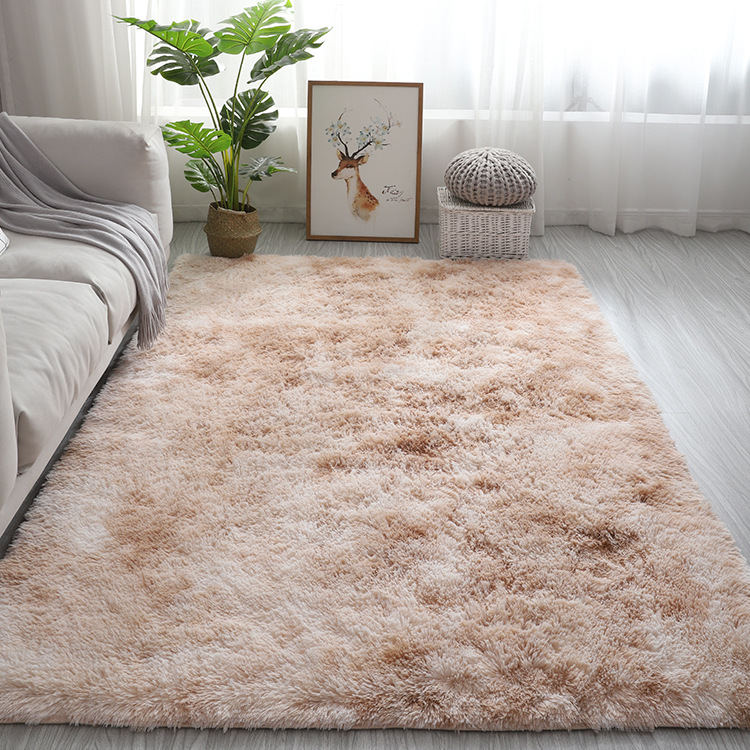
Суцільні килимки виявляти якість продукції легше, ніж шаблонні альтернативи, оскільки немає складності конструкції, яка б відволікала увагу від невідповідностей. Покупці, які закуповуються у виробників або оптових постачальників, повинні суворіше перевіряти якість твердих виробів, ніж до більш завантажених конструкцій.
Найпоширенішою скаргою щодо якості однотонних килимів є варіація партії барвників — незначні, але помітні відмінності кольорів між килимами, виготовленими в одному порядку. Це особливо проблематично для комерційних покупців, які замовляють кілька килимів для одного простору, наприклад, готельних номерів або роздрібних магазинів, де візуальна однорідність має значення. Завжди вимагайте, щоб серійне виробництво використовувало одну партію барвника, а якщо це неможливо, попросіть постачальника позначити номери партій, щоб ними можна було керувати під час встановлення.
На простому килимі обробка краю є однією з перших речей, які помітить покупець або кінцевий клієнт. Зрізані краї, пов’язані краї та оброблені вручну краї дають різні естетичні результати. Зрізані краї пряжі відповідного кольору виглядають чистими та є найбільш практичними для великого виробництва. Краї бахроми додають традиційної або глобальної естетики, але вимагають більш обережного поводження під час виробництва, щоб забезпечити однорідність. Переконайтеся, що шви по краях щільні та рівномірні по всьому периметру, оскільки на суцільних килимах незакріплені або пропущені шви видно відразу.
Проведіть рукою по поверхні килима в кількох напрямках. Ворс повинен мати однакову висоту та щільність по всій поверхні без тонких плям, зазорів із пучками чи ділянок, де підкладка проглядається крізь ворс. На суцільних килимах навіть невелика невідповідність висоти ворсу створює видиму тінь або смугу, яка відразу помітна при освітленні кімнати.
Оскільки на суцільних килимах помітніше забруднення, зношування та вицвітання, ніж на альтернативних візерункових килимах, звички щодо догляду безпосередньо впливають на те, як довго килим виглядає презентабельно вдома чи в комерційному середовищі. Правильна процедура догляду залежить від матеріалу, але ці загальні методи застосовуються до більшості типів твердих килимів.
Для покупців, які купують оптові килими з масиву, кілька цілеспрямованих запитань під час оцінки постачальника можуть запобігти найпоширенішим проблемам із пошуком, перш ніж вони вплинуть на якість запасів або задоволеність клієнтів.
Постачальники, які надають чіткі, задокументовані відповіді на ці запитання та пропонують фізичні зразки перед повним виробництвом, як правило, є надійнішими довгостроковими партнерами з пошуку. У категорії міцних килимів, де якість продукту відразу видно кінцевому покупцеві, побудова відносин із виробником, який серйозно ставиться до послідовності, приносить дивіденди у вигляді нижчої прибутковості та більшої поведінки при повторних покупках.

Додати: №75 Чженьюань -роуд, район Юеченг, місто Шаоксінг, провінція Чжецзян, Китай 312000

Tel : +86-189 6750 9795

FAX : +86-0575-8803 2773

Email :

Copyright © Zhejiang Benyi Textile Technology Co., Ltd. All Rights Reserved. Виробники килимів та килимів